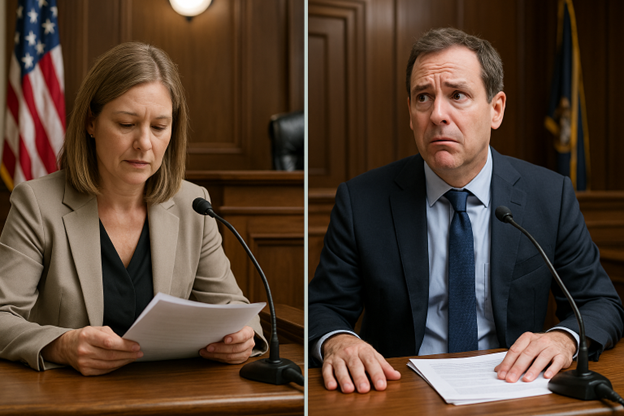
In formal dispute resolution, the strength of your expert witness can decide the outcome long before you reach the hearing room. The best experts don’t just know the facts, they own them.
They should be knowledgeable, a good communicator, credible, and composed under pressure.
Our latest article breaks down what to look for before you engage an expert:
✅ Who performs the analysis (and how errors are caught).
✅ How to test preparedness, communication, and demeanour.
✅ Why is composure under cross-examination as critical as technical accuracy?
If you’ve ever watched an expert falter under questioning or ever had difficulties selecting an expert, this article is for you.
At Access Construction Claims Training, we help professionals refine their commercial and contractual instincts to protect projects and reputations.
From change management, pursuance or defending claims, delay analysis to expert work, our workshops blend real-world construction case studies with practical tools you can apply immediately.
Whether you’re a contract administrator, QS, or project manager, our goal is simple — to help you manage claims with confidence, clarity, and credibility.
#ConstructionTraining #constructionlaw
How to Assess Your Expert Before Engaging Them
Heading into formal dispute resolution can be daunting. One of the most critical decisions you’ll make is selecting the right expert witness. Their role is not to act as your advocate, but to help the tribunal or court understand the factual and technical elements of the dispute. A strong expert can clarify complex issues; a poorly prepared one can undermine your case.
This article explores key considerations when hiring experts for delay, disruption, and damages matters, focusing on two common challenges:
- Limited involvement in analysis: Experts often do not complete the “behind the scenes” analysis themselves. As a result, they may require significant preparation time to master the details. Opposing counsel will scrutinize every piece of analysis, so your expert must be ready.
- Performance under cross-examination: A brief introductory meeting rarely reveals how an expert will handle tough questioning. Facts matter, but so do demeanour and communication. Likeability, clarity, and composure can make or break their testimony.
The Analysis
It is rare for a testifying expert to complete all the detailed analysis themselves. More often, they oversee work completed by junior team members or a strong second-in-command. This creates two potential pitfalls:
- Errors in delegated work – Mistakes by junior staff may go unnoticed until reports are exchanged. While some firms conduct peer reviews, these are only effective if the reviewer is thoroughly familiar with all case materials.
- Preparation gaps – If the expert was not hands-on with the analysis, they will need additional time (and cost) to get up to speed. To manage this:
- Ensure the budget includes adequate preparation time but monitor it closely.
- Choose an expert with relevant domain knowledge. For example, a chemical engineer may not be the best fit for a heavy civil project, and an academic expert without site experience may struggle in a technically complex matter.
Testifying
Preparation for testimony must be completed well in advance, ideally at least a week before the proceedings, to allow for mock cross-examinations. An expert who hesitates with their own slides (which I have seen) or admits unfamiliarity with their material damages credibility. They should demonstrate fluency not only with their analysis but also with the opposing side’s.
Equally important is composure. Cross-examination is designed to unsettle witnesses. A credible expert remains calm, courteous, and professional, never argumentative, dismissive, or emotional. Speaking over opposing counsel may be tolerated in adversarial workplaces, such as construction, but in court, it comes across as disrespectful and unprofessional.
Remember: facts win cases, but so does demeanour.
Key Questions to Ask When Assessing an Expert
When meeting a potential expert, use the opportunity to evaluate both their substance and style. Consider asking:
- Who will complete the analysis? If someone else will do much of the work, ask to meet them too. How will the expert stay engaged, and how will errors be identified and corrected?
- What are their qualifications and experience? Do they have both academic and practical expertise relevant to your case?
- How do they communicate? Do they speak clearly and listen carefully, or do they interrupt and deflect? This may indicate how they’ll perform under cross-examination.
- How prepared are they? Did they review the materials you provided, or are they waiting for you to guide them? Preparation habits now reflect how they’ll handle testimony.
- How do they like to prepare? Ask about time requirements—both billable and non-billable—to set realistic expectations.
- What is their demeanour? Observe body language and how they treat others in the meeting. Do they speak over others? Do they answer the question they are asked directly, or do they talk around the topic? An expert need not be overly friendly, but they should be professional and likeable.
Final Thoughts
Selecting the right expert witness is about more than credentials. It requires careful assessment of how they work, how they prepare, and how they present themselves under pressure. By asking the right questions early, you can ensure that your expert is not only technically qualified but also a persuasive and credible presence when it matters most.