

Well, it's that time of year again where stampedes, cultural festivals, and events light up the cities across Canada – from Calgary to Toronto. Conversations are buzzing, and everywhere you...
Read More
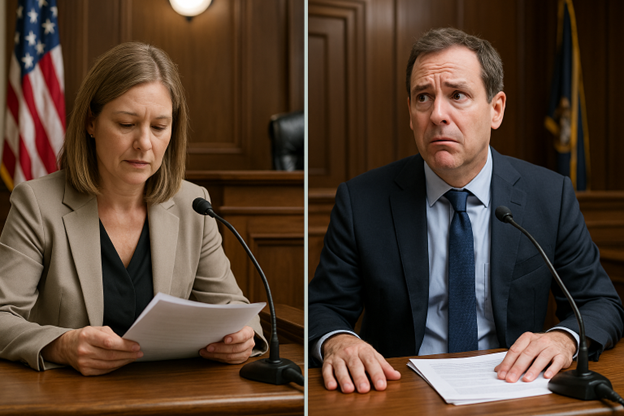
In formal dispute resolution, the strength of your expert witness can decide the outcome long before you reach the hearing room. The best experts don’t just know the facts, they own them.
They should be knowledgeable, a good communicator, credible, and composed under pressure.

On paper, everyone agrees that collaboration is essential. But what happens when it’s used as both a sword and a shield?
Some contractors push “collaboration” while running aggressive commercial strategies designed to overwhelm, force concessions, and shift risk back to the owner.
In our latest article, we share examples, warning signs, and a practical checklist for owners dealing with commercially aggressive contractors.

In the ever-evolving world of construction, effective communication is paramount. As outlined in our latest article, clearly identifying expectations and maintaining open lines of communication can make all the difference.
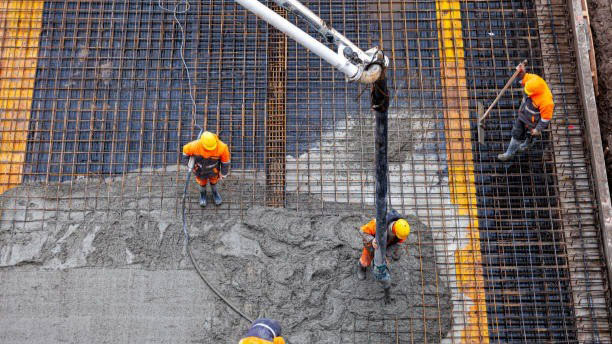
Resource-loaded schedules are often touted as essential tools for project transparency, but in practice, they can expose contractors to risk rather than clarity. They can also arm owners with tools to discredit future claims.
With years of experience advising on EPC and lump sum contracts, we have seen firsthand how poorly executed resource loading can lead to misinterpretation, liability, and strained owner-contractor relationships

Intro:
CEES (short for Cause, Effect, Entitlement, and Substantiation) is the backbone of a successful construction claim. It is a simple, structured framework that parties need to adhere to when presenting construction claims.

We’re excited to introduce a new series of short-form articles designed to support professionals working in construction-related fields. These articles will focus on practical project and contract management by identifying…

Clarity, Compliance and Confidence in Construction.
© 2026 Saor Consulting. All Rights Reserved.